Single Origin Chocolate
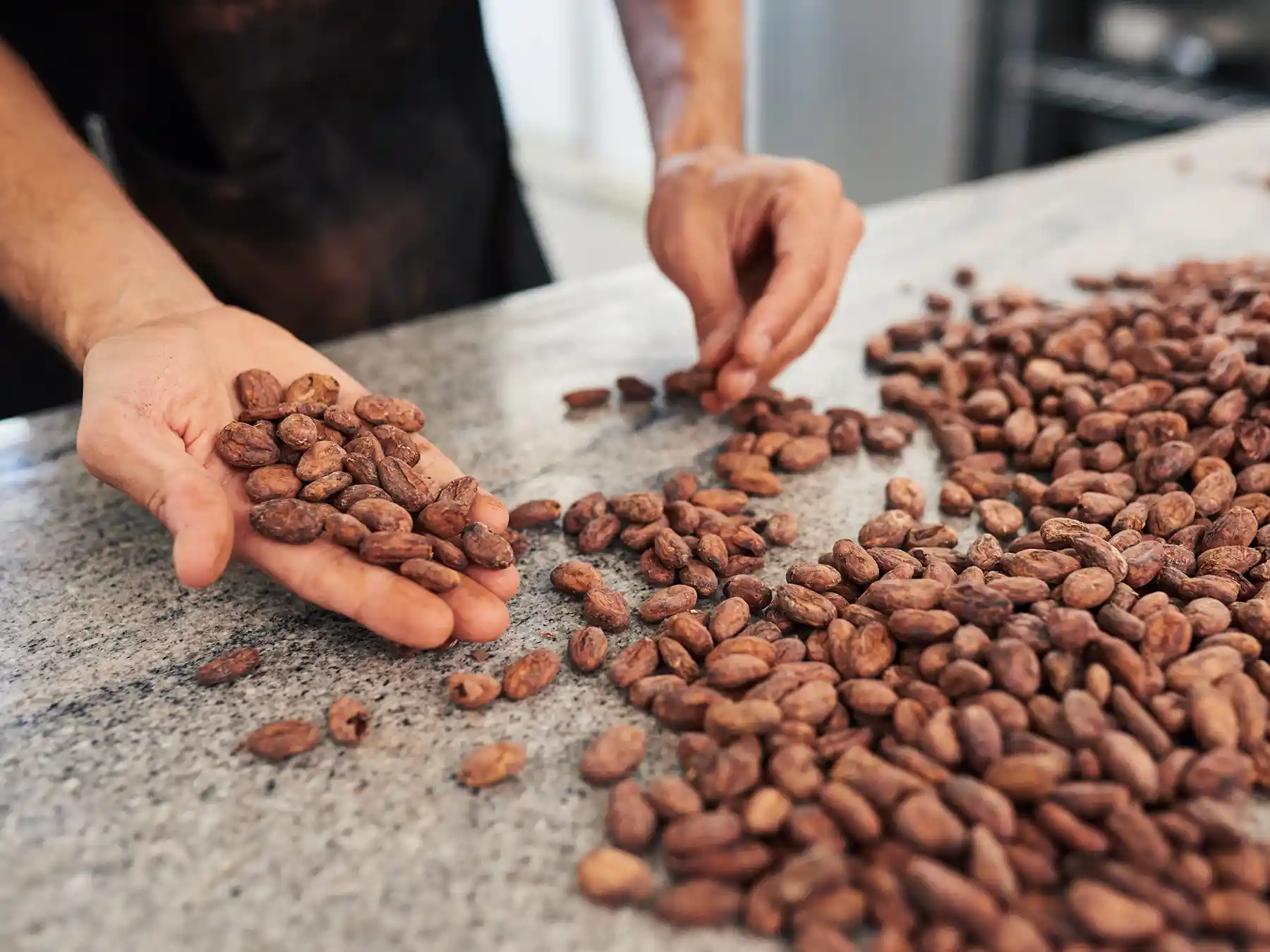
We make chocolate from ethically sourced single-origin cocoa beans. Single-origin means the cocoa beans come from one producer, or a group of producers, in a single country or region — each with its own variety of cacao, its own soil, climate and altitude, and its own character because of them.
Where our supply chain ethically sources from
We don’t purchase cacao from the regions of West Africa where supply-chain transparency is lacking, working practices are often poor, and where most of the world’s cocoa is grown.
Madagascar
Criollo / Trinitario variety
Grown in the Sambirano River Valley in the north-west, on the Grand Cru de Sambirano — a small, long-established cacao region with a reputation built over generations.
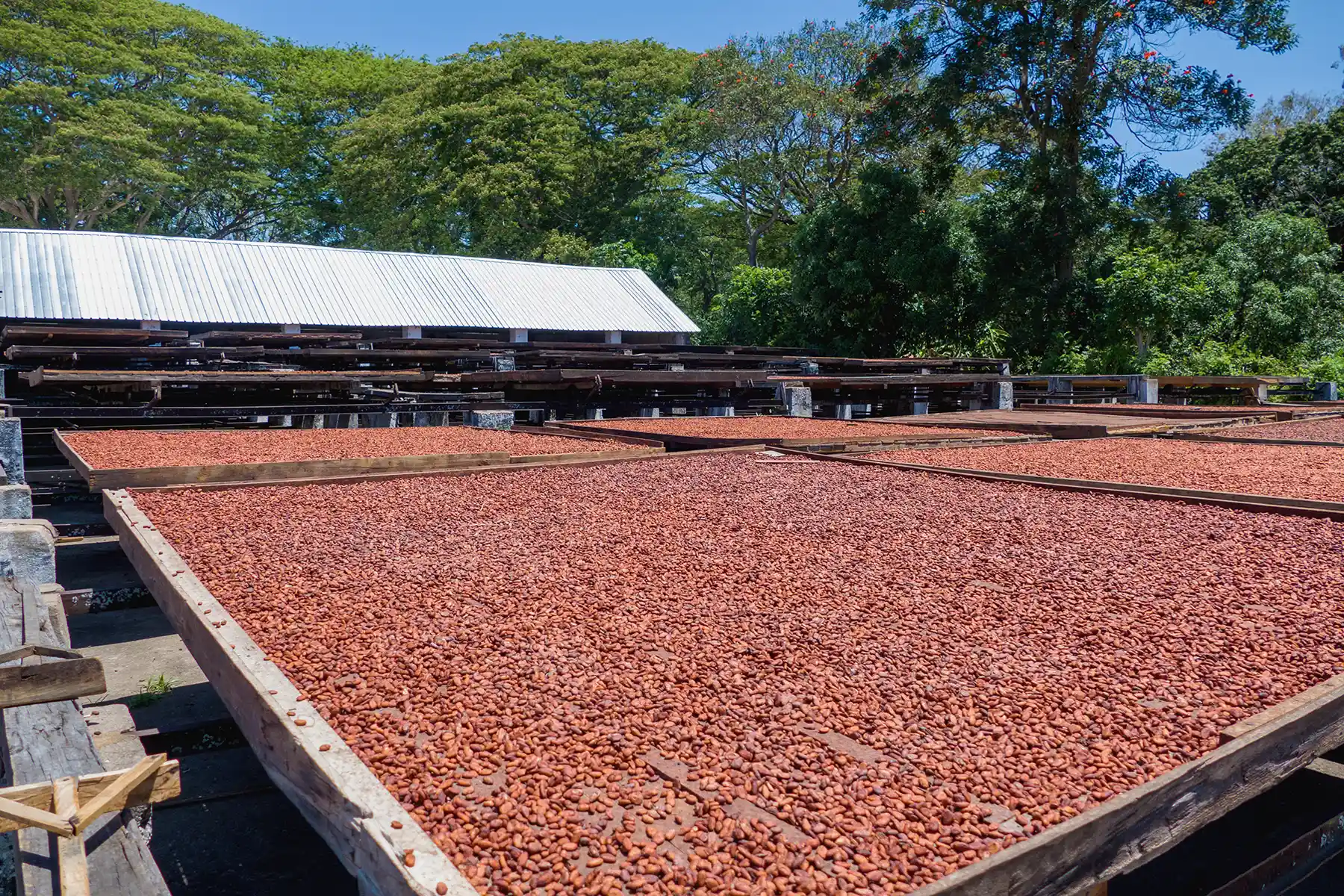
The growers ferment the cocoa beans carefully and not too long — enough to develop the cacao, not so much that the brightness is lost. These are the flavour precursors that we enhance in the roast.
The valley floor is volcanic and alluvial, fed by river silt. Cacao grown here carries a bright red-fruit acidity and a clear citrus lift. We roast to hold that brightness rather than disperse it.
Colombia
Colombia — Huila
Criollo / Trinitario variety
Fino de Aroma cacao from the Huila region in the south-west, high in the Andes near the Nevado del Huila volcano.
The soils are volcanic and mineral-rich, and the microclimates are varied from valley to valley. Huila also sits high enough that the nights turn cold, which slows the tree’s growing phase and concentrates the cacao — part of why its natural bitterness is reduced.
The cacao carries a subtle citrus and red-fruit acidity with a soft floral edge, kept in balance by its medium weight and a clean finish. Slow fermentation in the Andean cool builds that complexity before the beans ever reach us.
·
Colombia — Santander
Trinitario variety
Fino de Aroma cacao from Santander, in the foothills of the eastern Andes — the older heartland of Colombian cacao, around San Vicente de Chucurí. Lower and warmer than Huila, with deep valley soils along the Magdalena.
The beans are fuller and hardier than Huila’s, and the flavour is the opposite of bright — no red-fruit sparkle here, but a deeper, classic chocolate flavour that runs clean through, with none of the bitterness you’d expect from it.
Peru
Criollo / Trinitario variety
From the Upper Huallaga Valley in San Martín — an Amazon basin along the Huallaga River, in the lowland forest.
A fine-aroma Criollo-Trinitario mix, grown in changeable microclimates and deep fertile river soils. The cacao leans bright and fruit-forward with a citrus edge — but the acidity is gentler than other similar cacao like Madagascar, the fruit rounder, and it holds steady through the finish. A more even, settled version of the same brightness.
Venezuela
Criollo and Trinitario variety
From Sur del Lago, on the southern shore of Lake Maracaibo — one of the oldest fine-flavour cacao regions in the Americas, grown there for centuries.
The cacao is a natural Criollo-Trinitario blend. The soils are rich and the climate humid and tropical, and the beans carry the low bitterness the old Criollo lines are known for — here taken further, with almost none of the harsh acidity that usually comes with it.
This is cacao at the quiet end: nutty rather than bright, with a layered character that unfolds slowly. More going on than a pure Criollo, with none of the sharper edges.
Ecuador
Nacional variety
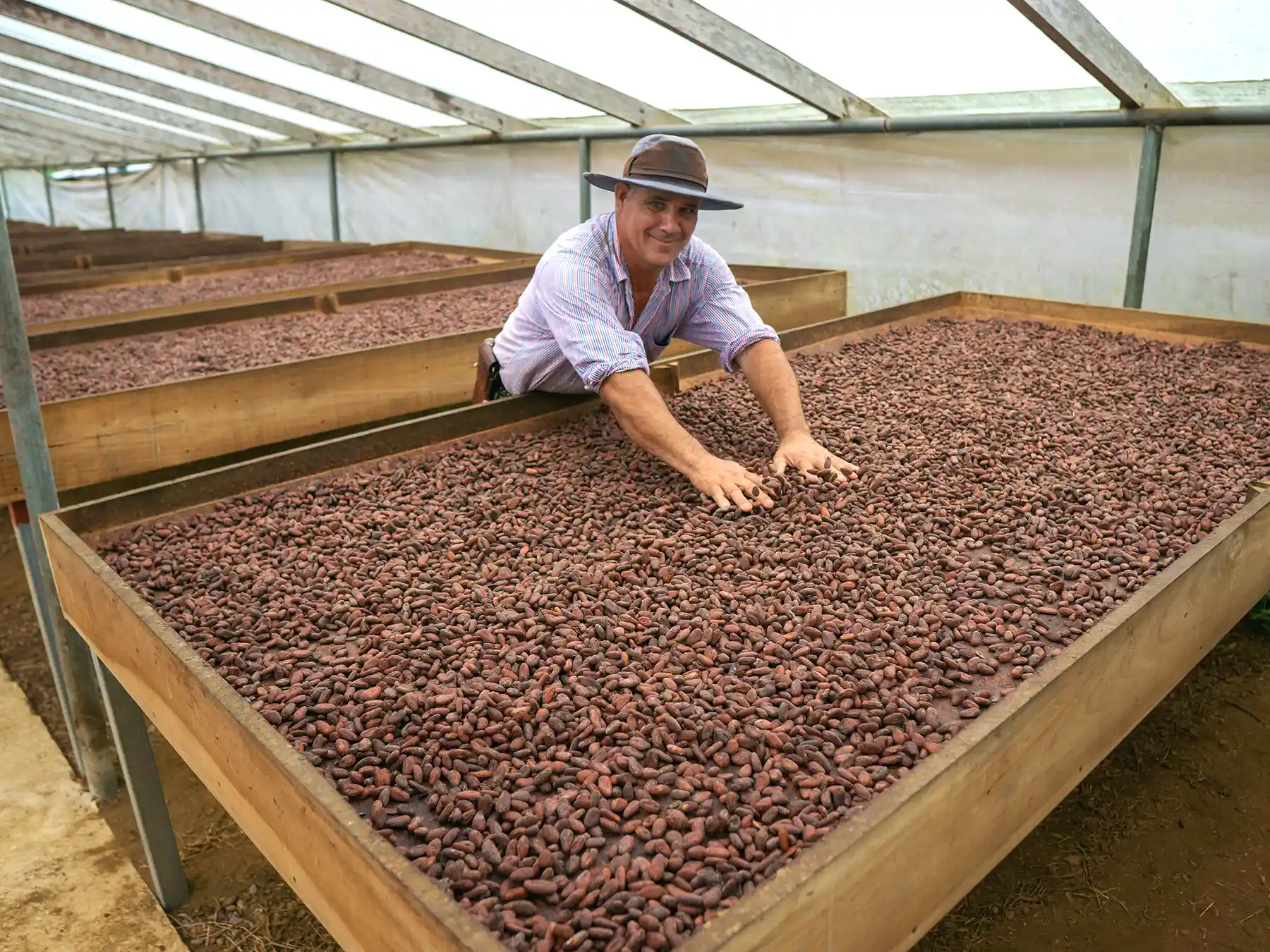
From the Guayas lowlands on the coast, around Camino Verde near Durán — cacao from Ecuador’s Nacional lineage, one of the few surviving fine-flavour varieties of its kind.
Grown in coastal alluvial soils. A soft, floral character — closer to orange blossom than fruit — with an earthiness on the finish that keeps it grounded.
Trinidad & Tobago
Trinitario variety
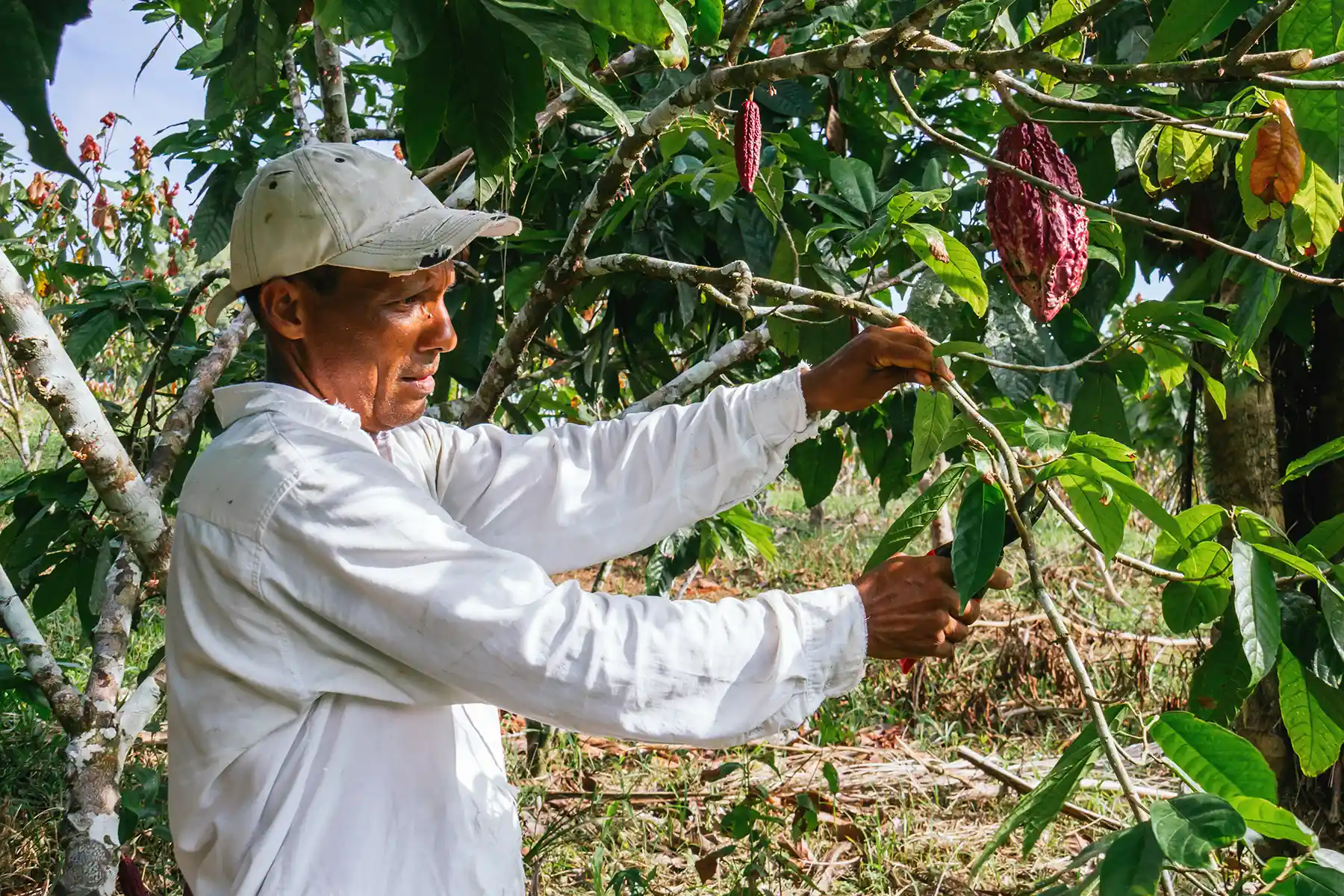
From the Gran Couva area — the home of Trinitario cacao, the variety that took its name from the island after Criollo and Forastero were crossed here centuries ago.
The beans are slowly fermented and dried to build their character. Warm and rounded, with a natural darker caramel and a subtle spice on the finish.
Dominican Republic
Trinitario variety
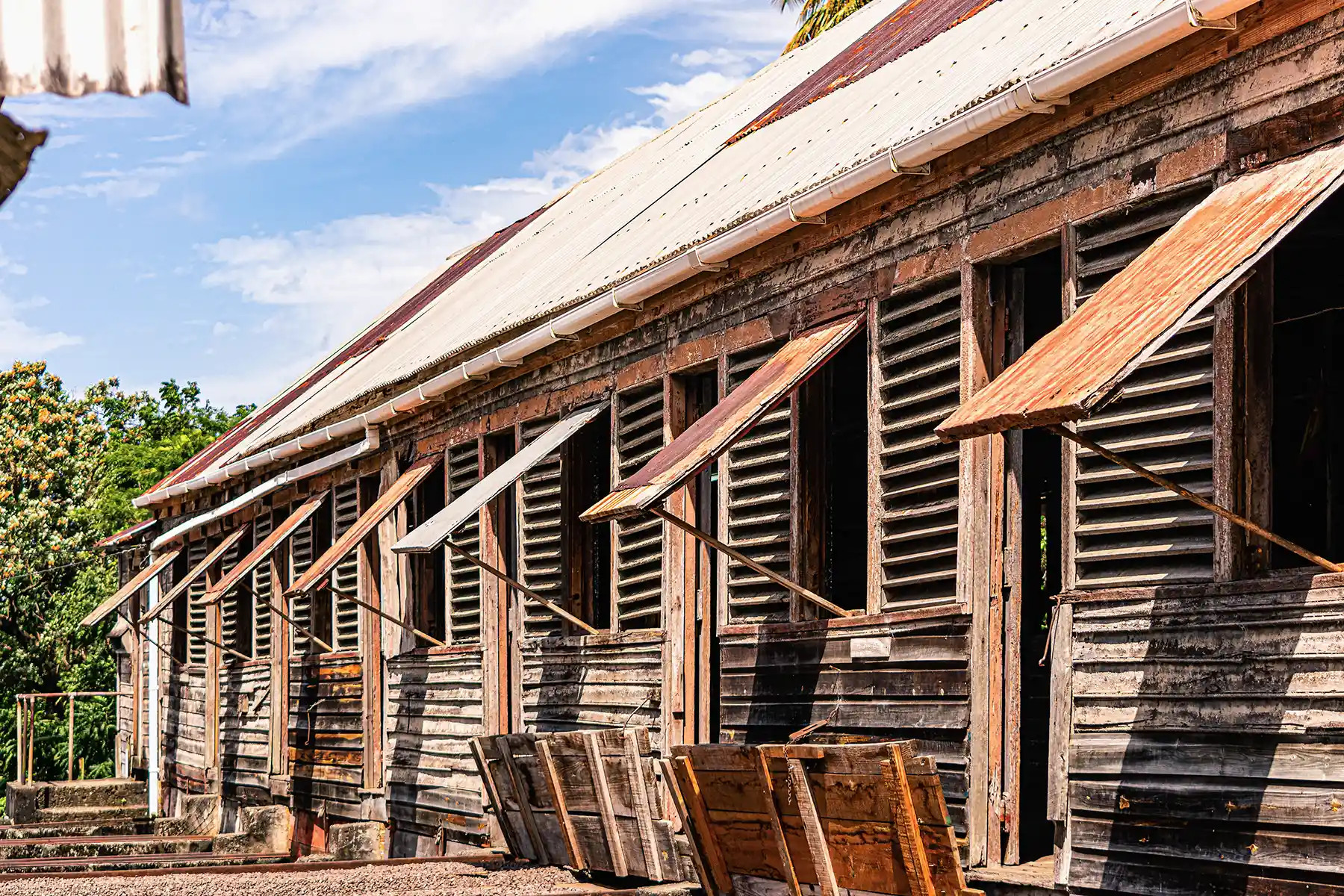
Fine-flavour Hispaniola beans from the Cibao Valley, just north of San Francisco de Macorís — the centre of the country’s organic cacao.
Hispaniola is the fully fermented grade of Dominican cacao. That longer ferment is what builds the flavour: the sugars and proteins in the bean break down over days, developing the depth and losing the bright, sharp acidity you’d find in Sánchez cacao.
What’s left is a robust, classic chocolate base — warm and earthy, with none of the sharpness.
Tanzania
Trinitario Variety
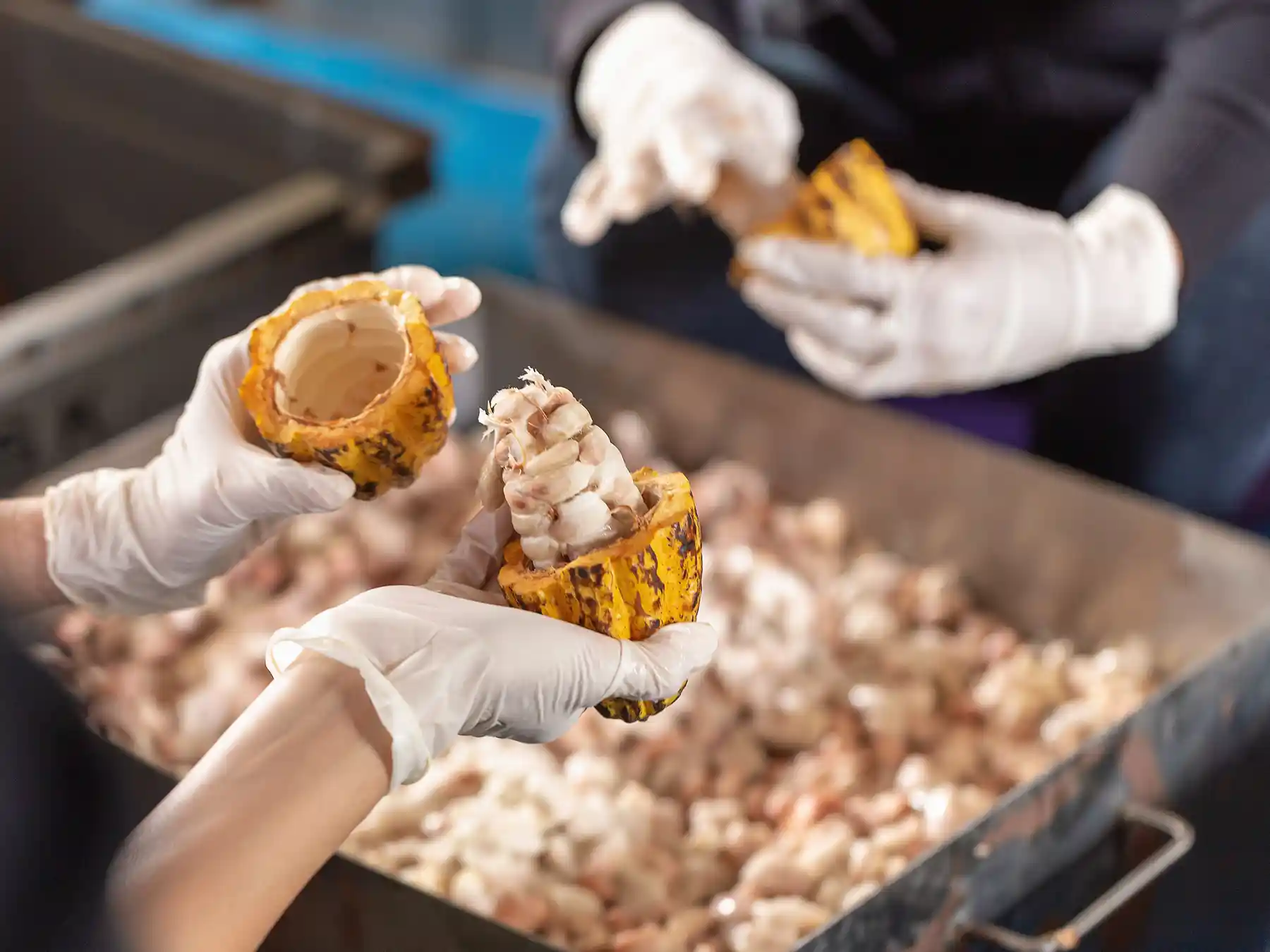
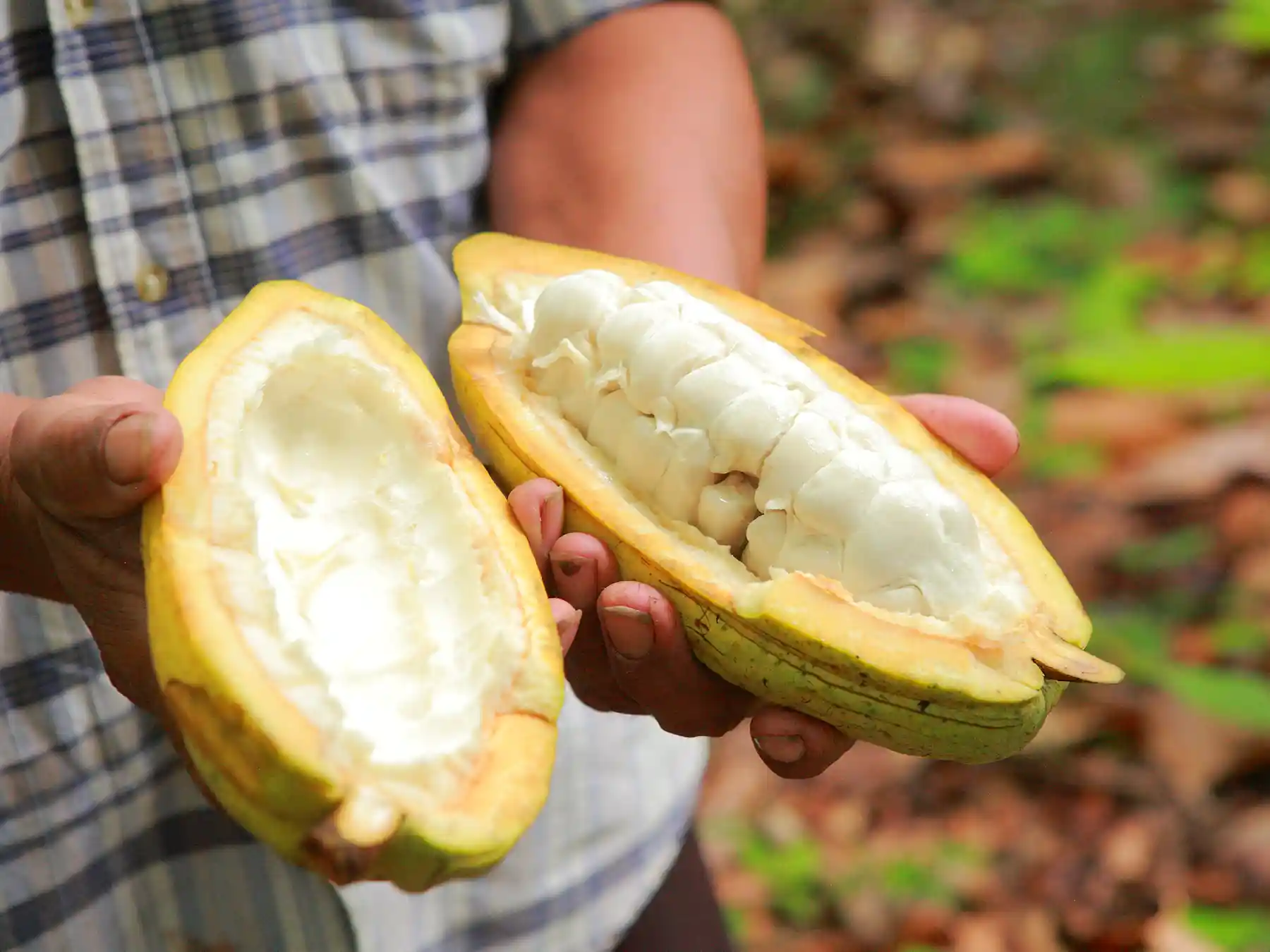
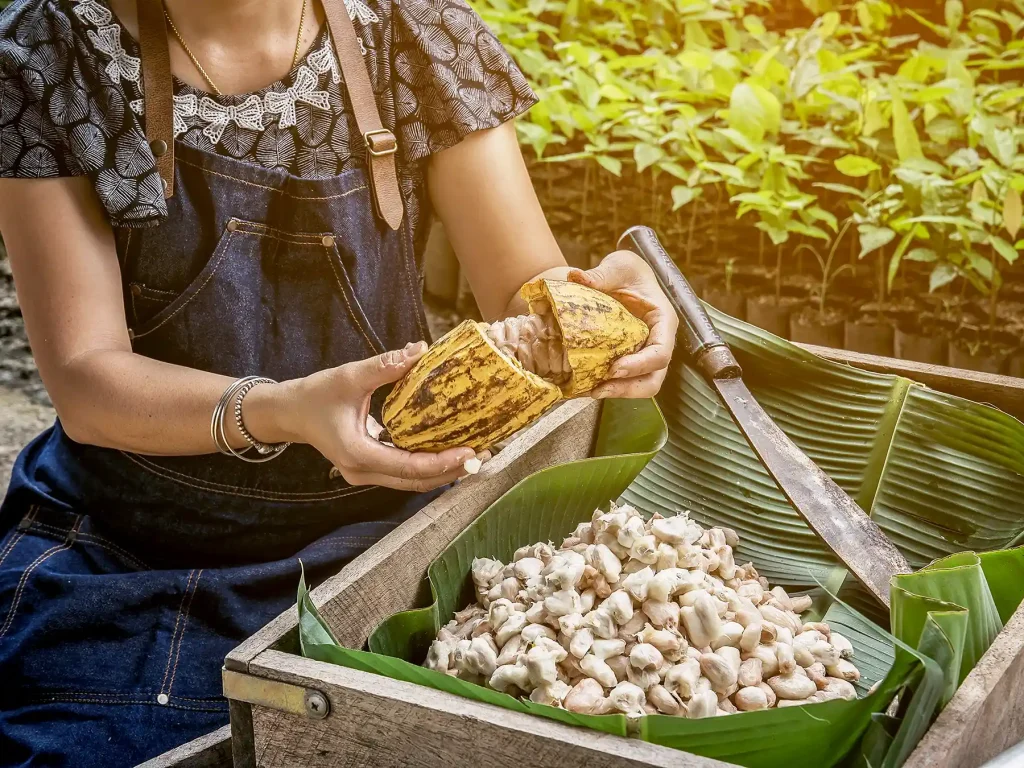
Kokoa Kamili, from the Kilombero Valley in southern Tanzania, at the foot of the Udzungwa Mountains. Cacao has grown here since the 1880s. Kokoa Kamili runs the region’s only commercial fermentary, working directly with over two thousand smallholder farmers, fermenting each lot in banana-leaf-lined boxes across a three-tier cascade system.
DNA analysis shows the tree stock to be predominantly Trinitario — a classic Amelonado x Criollo cross — with a slight presence of Neo-Nacional. Cacao produced in this region is highly prized as a fine cacao variety.
The flavour runs fruit-forward — berries, apple, plum — with darker woody notes and a light, nutty-cocoa depth.
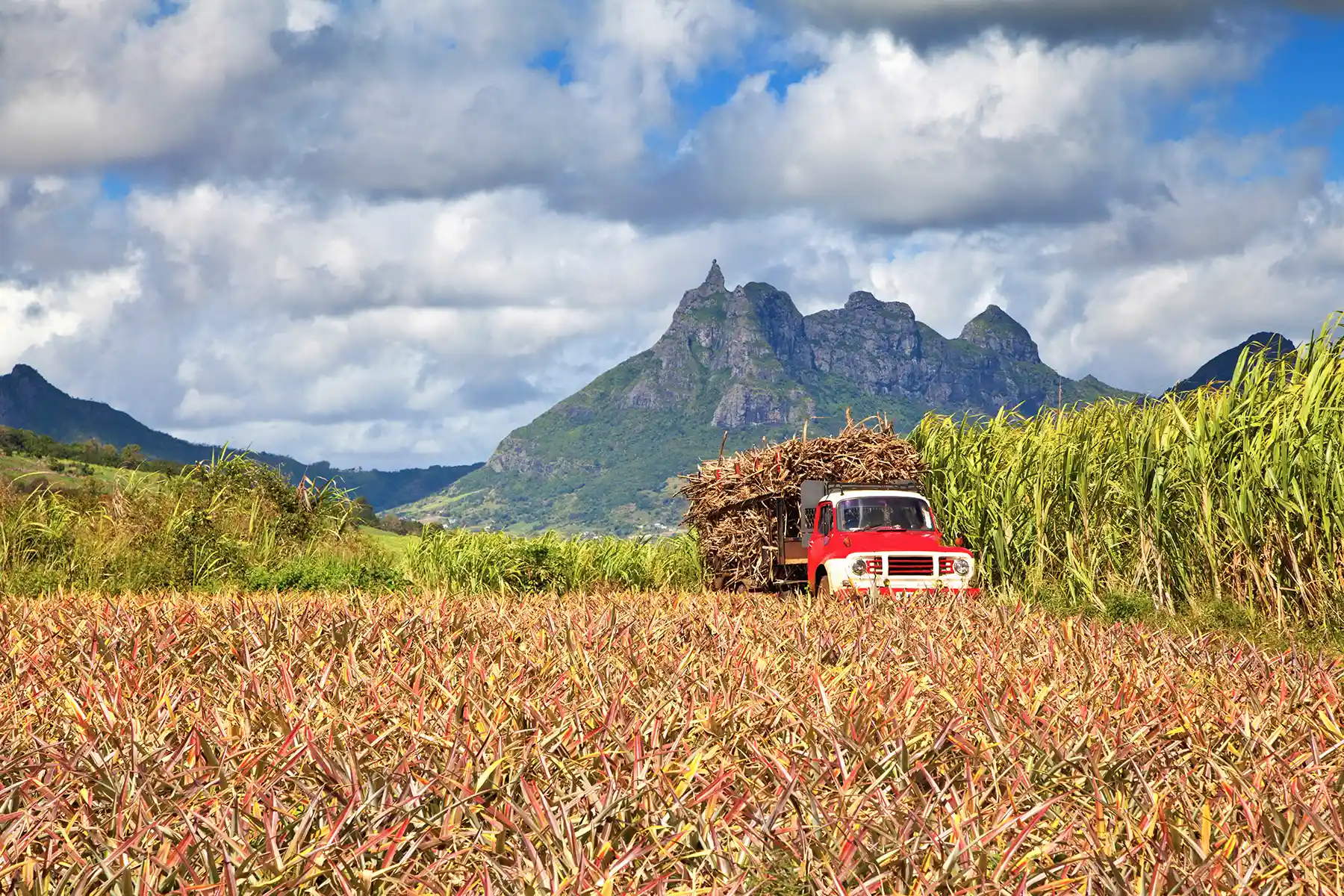
Cane Sugar – Mauritius
We use unrefined cane sugar from Billington’s, a British company milling sugar since 1858.
Refining strips the molasses out of cane sugar, leaving a flat, neutral sweetness (white cane sugar). Billington’s leave it in — and offer the full range, from golden through to its darkest muscovado, as the molasses content rises. We choose along that spectrum by our recipe intention: a lighter sugar where the cacao should lead, a darker one where we want its depth in the bar.
The molasses is what carries the difference — the trace minerals, and a fuller flavour that works with the cacao rather than just sweetening it.
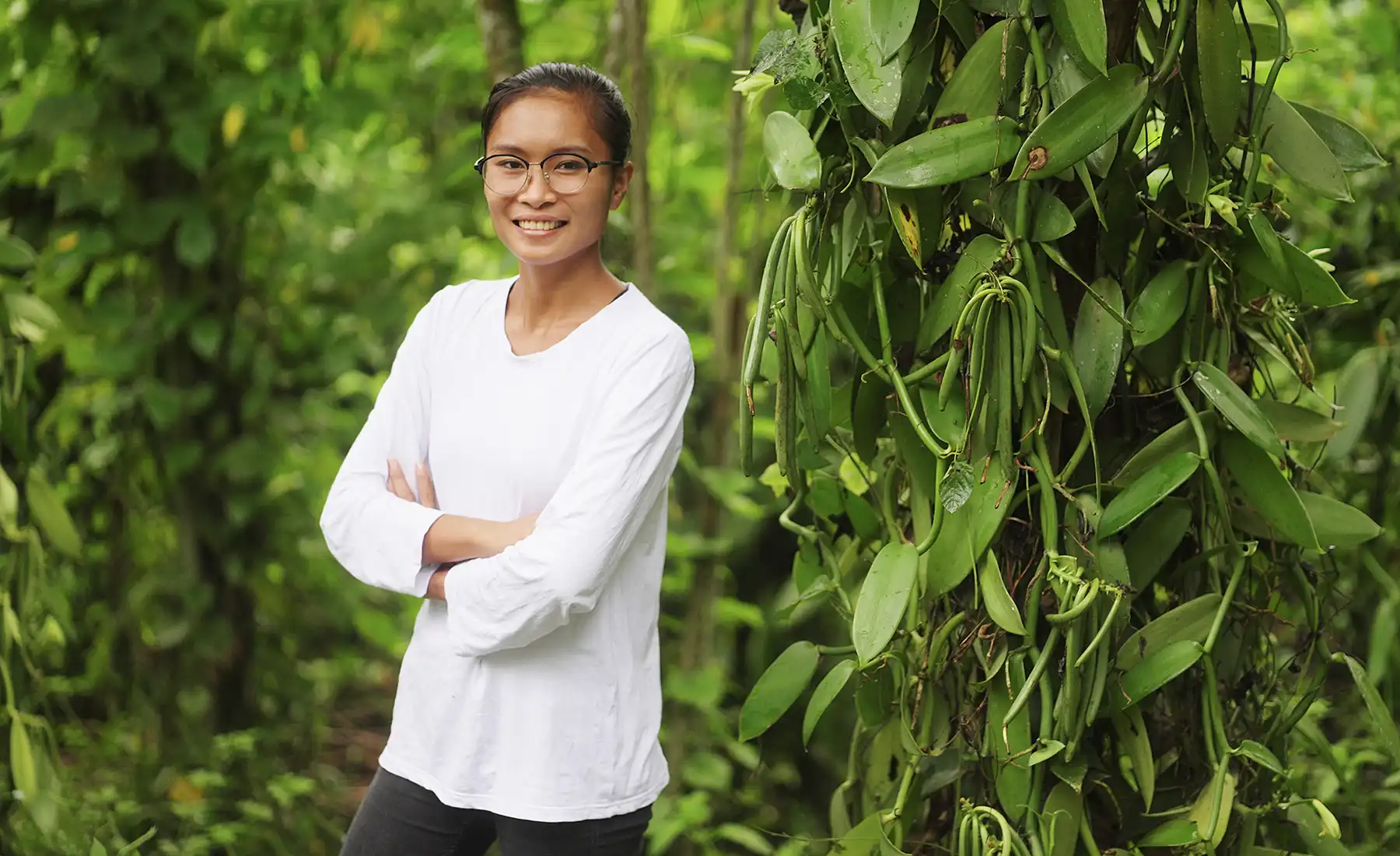
Vanilla Beans – Madagascar
Our Bourbon vanilla beans come from the Sava region in Madagascar’s humid northeast, the world’s leading source of Vanilla planifolia. The tropical climate, generous rainfall, and fertile loamy soils create ideal conditions for cultivating this prized variety.
We use only natural vanilla beans — never extracts or artificial flavourings — to capture their full character. Madagascan Bourbon vanilla is known for its deep, creamy aroma with warm, sweet notes of caramel and subtle floral undertones, which enhances the flavour of the chocolate we use it in.
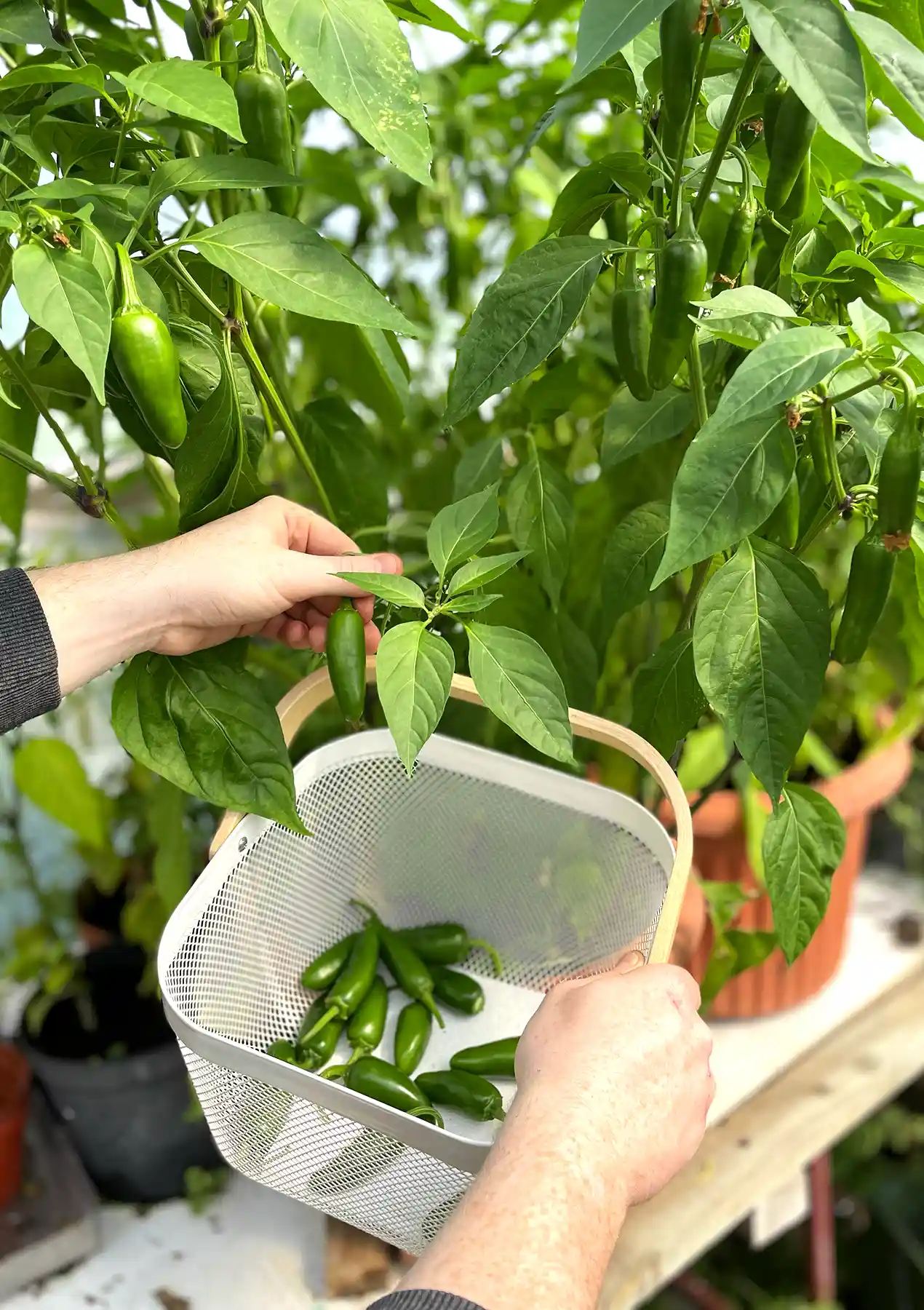
Our own ingredients
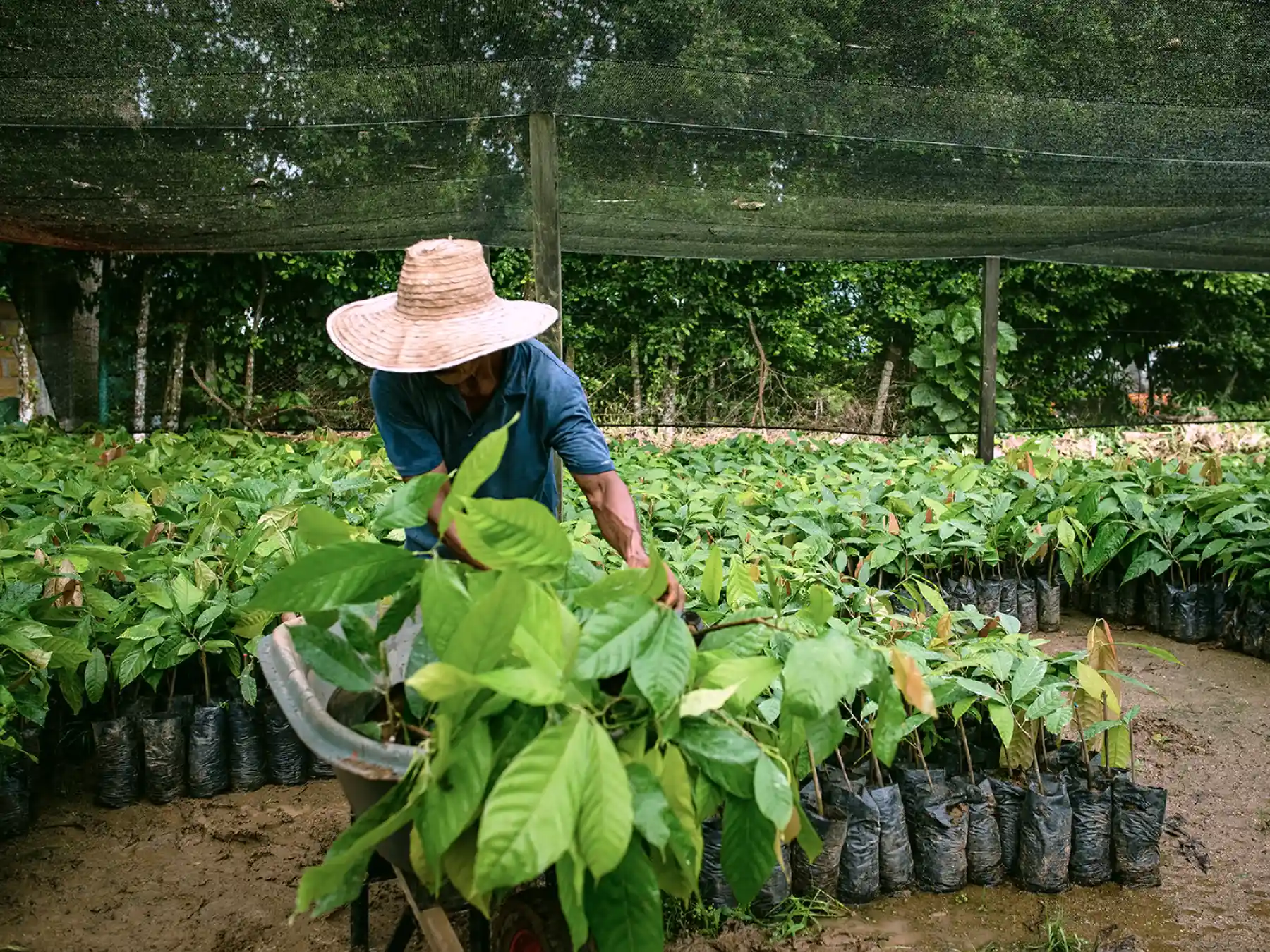
We organically grow many of the herbs, spices, and botanicals used in our chocolate, while also trialling new flavours in our R&D.
For example, all the fresh mint in our chocolate is grown, bringing a clean, aromatic lift to the other botanicals we use. The jalapeño chilli peppers for our chocolate are also grown here, delivering gentle heat with a bright, fresh edge.
Several other key ingredients are grown organically by us, ensuring a unique freshness and character from the very start.
Ethics & Standards
MayHawk operates with integrity and a strong commitment to ethical practices. We believe that the way we conduct ourselves is just as important to our success as the chocolate we create. The policies outlined below guide every decision we make, shaping the way we do business. Making chocolate matters — but how we make it matters even more.
Our values
We lead with our values, keeping people’s welfare at the centre of our decisions and respecting the human rights of every person our manufacturing and supply chain touches — from the people who make our chocolate to the communities where our suppliers operate.
We review supplier records as an essential part of our assessment and audit process. But we are a very small company in a vast industry, and our influence and voice can only reach so far in a space dominated by multinational corporations.
The supply chain
We make our chocolate in the UK, working with a trusted global network of suppliers to bring each of our products to life. Our supply chain covers more than 20 countries, including regions that are particularly vulnerable to economic and environmental challenges.
Within this supply chain we partner closely with companies that provide our cacao, sugar, and other key ingredients, as well as those who support the logistics, packaging and retail operations that help deliver MayHawk chocolate to customers worldwide.
MayHawk does not tolerate underage, forced or debt-bonded labour within its supply chain.
Supplier Responsibility and Standards (SRS)
We believe that all people, wherever they are in the world, deserve to be treated with dignity and respect. Upholding their human rights is central to our Supplier Responsibility and Standards policy (SRS).
Our SRS policy aligns with the United Nations ‘Protect, Respect and Remedy’ framework and works alongside MayHawk’s Anti-Modern Slavery Policy, which enforces our strict prohibition of all forms of modern slavery, including forced labour and human trafficking, across our supply chain.
We use the SRS policy to guide our business decisions, including which suppliers to work with and which materials to use in our products.
Supplier Code of Conduct (SCC)
Our Supplier Code of Conduct (SCC) sets out our strict requirements in labour and human rights, health and safety, environmental responsibility, and ethical conduct. These standards are mandatory for all suppliers wishing to do business with MayHawk.
The SCC addresses key human rights issues — preventing discrimination, abuse, the charging of recruitment fees, and forced or underage labour — and establishes clear expectations for fair working hours, wages, benefits, and lawful contracts.
It also requires suppliers to take meaningful steps to minimise their environmental impact, including the responsible sourcing of materials.
Where our values lead
The principles behind our chocolate don’t stop at our products. They run through where the cacao comes from, how we make it, and what we leave behind.